
Please note: I may earn commissions from qualifying purchases if you shop through links on this page. More info.
9 Garden Color Tips for a Bold, Beautiful Backyard
Color plays a pivotal role in shaping the ambiance and visual appeal of your landscape. However, navigating the color wheel requires a thoughtful approach and a little bit of planning (and self control).
In this article, I’ll share ways to create a vibrant and cohesive color palette that adds allure to every season. These garden color tips will ensure your garden is beautiful and cohesive throughout the year.
If you’d rather watch than read, check out my YouTube video on this topic:
Subscribe to my YouTube channel for more gardening videos!
1: Choose a Color Scheme Before You Shop

One of the easiest ways to create a garden that feels cohesive and visually stunning is to choose a color scheme before you head to the nursery. It’s easy to get overwhelmed by all the gorgeous plants and colors in the spring, but having a plan will keep your garden on track and make shopping a lot less stressful.


By narrowing your plant choices to a predetermined color palette, you can avoid decision fatigue and focus on finding plants that complement each other and fit the look you want to achieve.
As a designer trained in color theory, I love helping gardeners create beautiful, balanced color schemes. Check out this article for some of my favorite color schemes for gardens.


When selecting your palette, think about the mood and style you want to evoke in your garden, and choose colors that support that feeling. A limited, thoughtful palette will create harmony, reduce overwhelm and give your garden a designer feel.
2: Start with One Dominant Color for a Cohesive Garden

Using too many colors in your garden can create visual chaos and make the space feel overwhelming. Instead, start simple by choosing just one dominant color to base your garden design around. This color can guide your choices for plants, furniture and other garden features, helping you create a cohesive, flowing space. Adding different plant forms and textures can also add to this look.
And don’t worry—one color doesn’t have to be boring. If you choose purple, for example, you can mix pale lavenders, rich violets and even shrubs with deep eggplant foliage. Playing with different shades, tones and textures of the same color adds depth and variety while keeping the design unified.

I walk you through this whole process, including how to keep color going all year, in my Design Your 4-Season Garden course.
Once you feel comfortable with one dominant color, you can gradually build on your palette using the tips in this article on garden color schemes.
By starting with one color, you’ll simplify your design process, reduce overwhelm and create a garden that feels intentional and beautifully pulled together.
Free Gift: 10 Proven Plant Combinations to Try in Your Own Garden
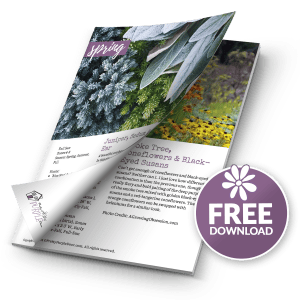
Never know what to plant together? Get 10 FREE plant combinations for spring, summer, fall and even winter so you can create stunning combinations in your garden in all four seasons. There are plant combos suited for every zone from 3-9. All pairings in this guide will work in zones 5-7.
3: Plan for Color in Every Season

To keep your garden vibrant year-round, it’s important to plan for color in all four seasons—not just spring and summer. Start by thinking about your dominant color and identify plants that showcase it in spring, summer, fall and winter. Then, take it a step further by breaking each season into early, mid and late stages to spot any gaps in color.
I like to use my garden planning worksheets for this step—it makes it much easier to visualize and fill in those missing bloom times.
Another simple way to ensure season-long color is to incorporate annuals, which can bloom continuously from planting until frost. They’re a great option to carry your dominant color throughout the growing season, although they do require a little more upkeep.
By planning ahead, you can create a garden that feels alive, colorful and inviting in every season.
4: Be Bold with Color to Add Excitement and Impact

Don’t be afraid to go bold with your garden colors. While soft pastels and serene palettes like an all-white moon garden have their charm, adding pops of bold, vibrant color can bring energy, excitement and unforgettable impact to your landscape.
Bold colors stand out beautifully against softer tones and can act like plant focal points, drawing the eye to key areas and even making your garden feel larger by creating movement and contrast.
Try incorporating plants with bright blooms or striking foliage to add that wow factor to your space. Experimenting with vibrant or contrasting colors can create a garden that feels dynamic, playful and full of life.

Bold doesn’t have to mean overwhelming—just a few well-placed pops of color can completely transform your garden and make it truly memorable.
5: Choose Colors That Complement, Not Clash

All colors are beautiful, but some combinations can clash and disrupt the visual flow of your garden. To keep your space feeling harmonious and pleasing to the eye, it’s helpful to choose colors that complement each other based on color theory.
For example, bright red paired with bright magenta can feel jarring because both are intense at their peak.
Instead, try pairing a bold red bloom with softer pinks or deep maroons, or separate strong colors with a more neutral plant or foliage to break them up and avoid visual tension.

This isn’t about avoiding the colors you love—it’s about using them in ways that create balance and support the overall mood of your garden.
If you’re not confident with color pairings yet, stick to colors in the same family or those that are known to work well together.
For more inspiration and real-world examples, check out this article on creating garden color schemes where I share lots of color combinations that work beautifully together.
Additional Garden Color Tips to Consider
Use Color to Define Spaces.
Utilize color to create distinct areas in your garden, such as a cozy seating nook or a vibrant vegetable patch. This can help draw attention to key features and create a sense of structure in your layout.
Balance Brights with Neutrals.
To avoid overwhelming your garden with too much color, balance bold hues with neutral tones like whites, greens, and grays. This allows bright colors to pop without clashing and helps maintain a balanced and aesthetically pleasing space.
Consider the Emotional Impact of Color.
Different colors evoke different moods. For example, blues and greens create a calm, relaxing atmosphere, while reds and yellows add energy and excitement. Choose colors based on how you want your garden to make you feel.
Use Color to Create Visual Depth.
Plant colors can also be used to create depth and dimension in your garden. Lighter colors can be placed in the foreground to make space feel larger, while darker colors in the background create the illusion of distance.
Liked what you read? Dive deeper with: 70+ Shockingly Common Landscape Design Mistakes (& How to Fix Them)
More Flower Gardening Articles You’ll Love
- Plant Spacing Made Simple: How to Space Plants the Right Way
 Plant spacing is one of the most common reasons gardens feel messy later. Learn how to space your plants the right way so they grow into a balanced, low-maintenance landscape.
- 9 Garden Color Tips for a Bold, Beautiful BackyardLearn garden color tips to create bold, eye-catching plant combinations and bring year-round color to your backyard.
- 9 Garden Style Tips to Discover Your Signature LookDiscover your garden style with creative tips to uncover your perfect look, from cottage charm to modern—or something totally unique to you.
- 11 Smart Foundation Planting Tips for Year-Round Curb AppealDiscover easy foundation planting tips to boost curb appeal, add structure and create a polished landscape all year round.